The Grand organ of st. stephen's Basilica
One instrument, six thousand pipes
The grand organ face to face
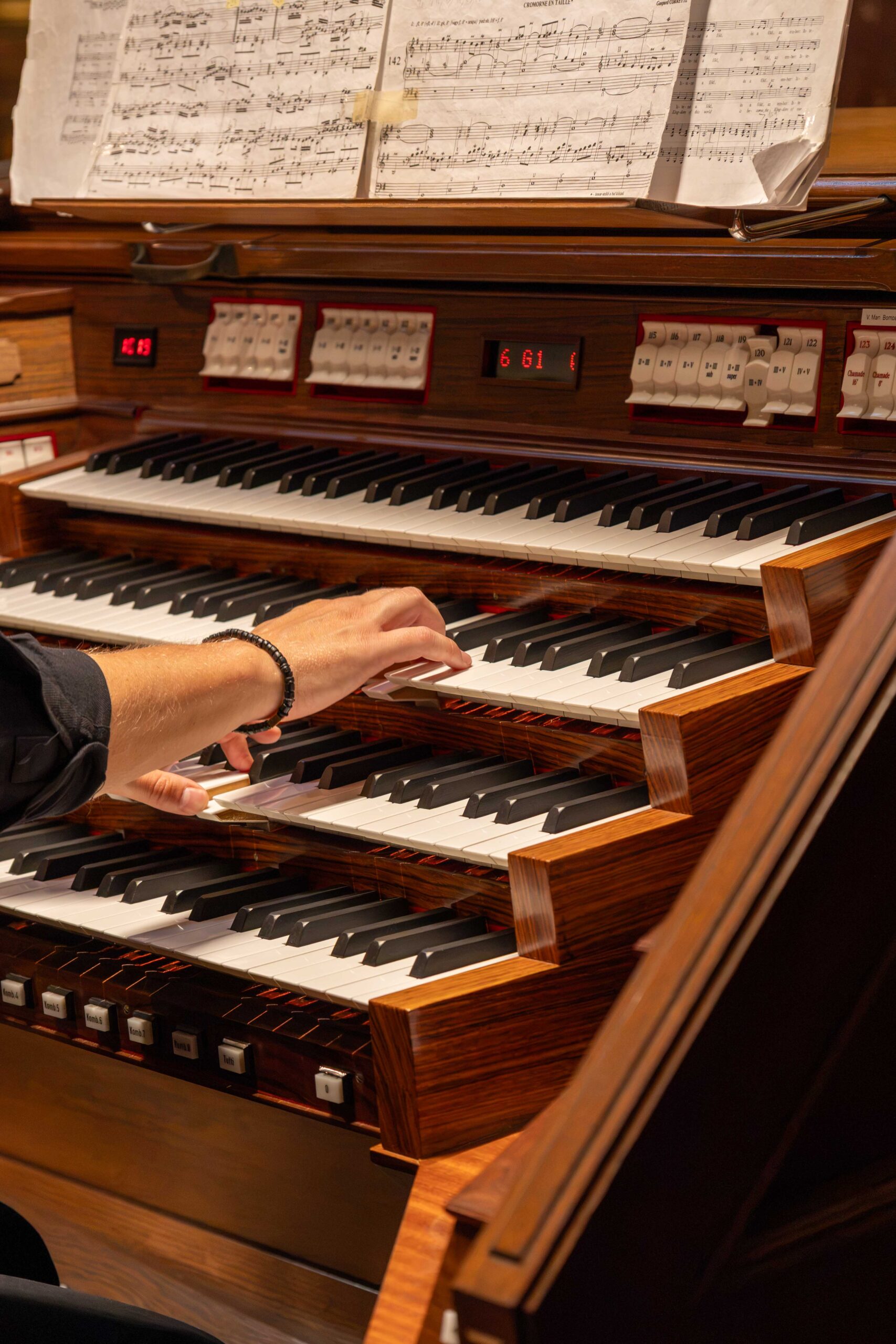
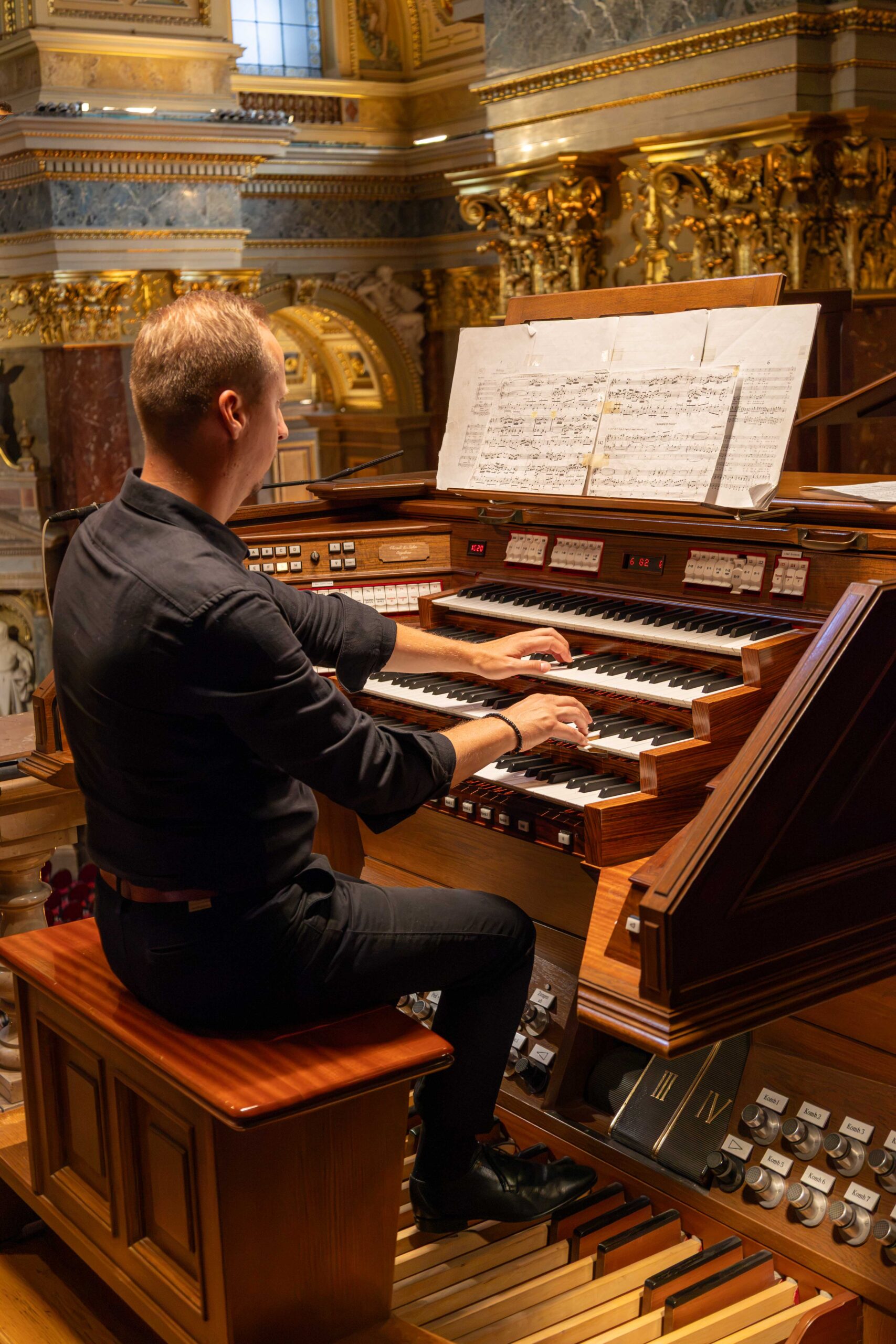
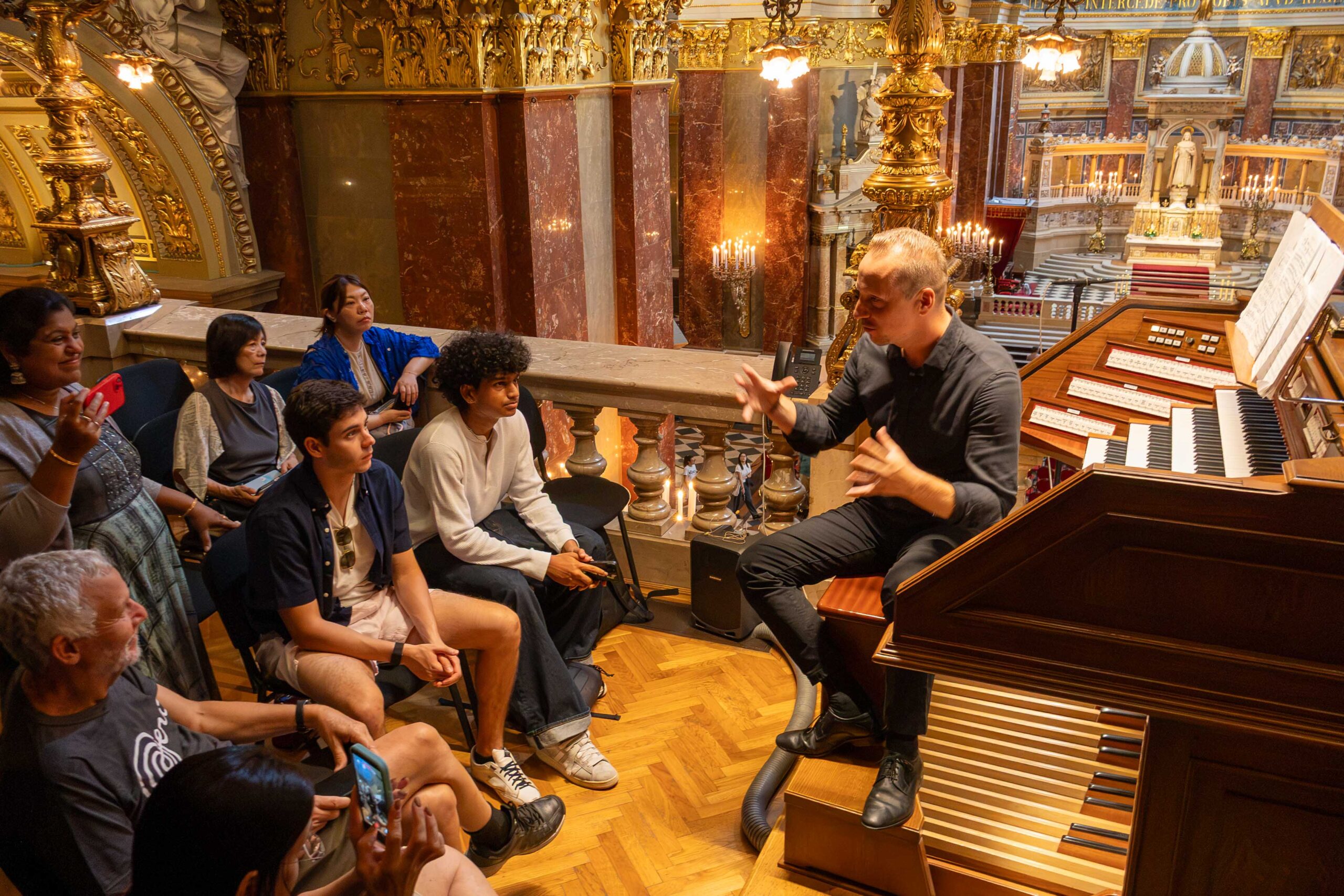
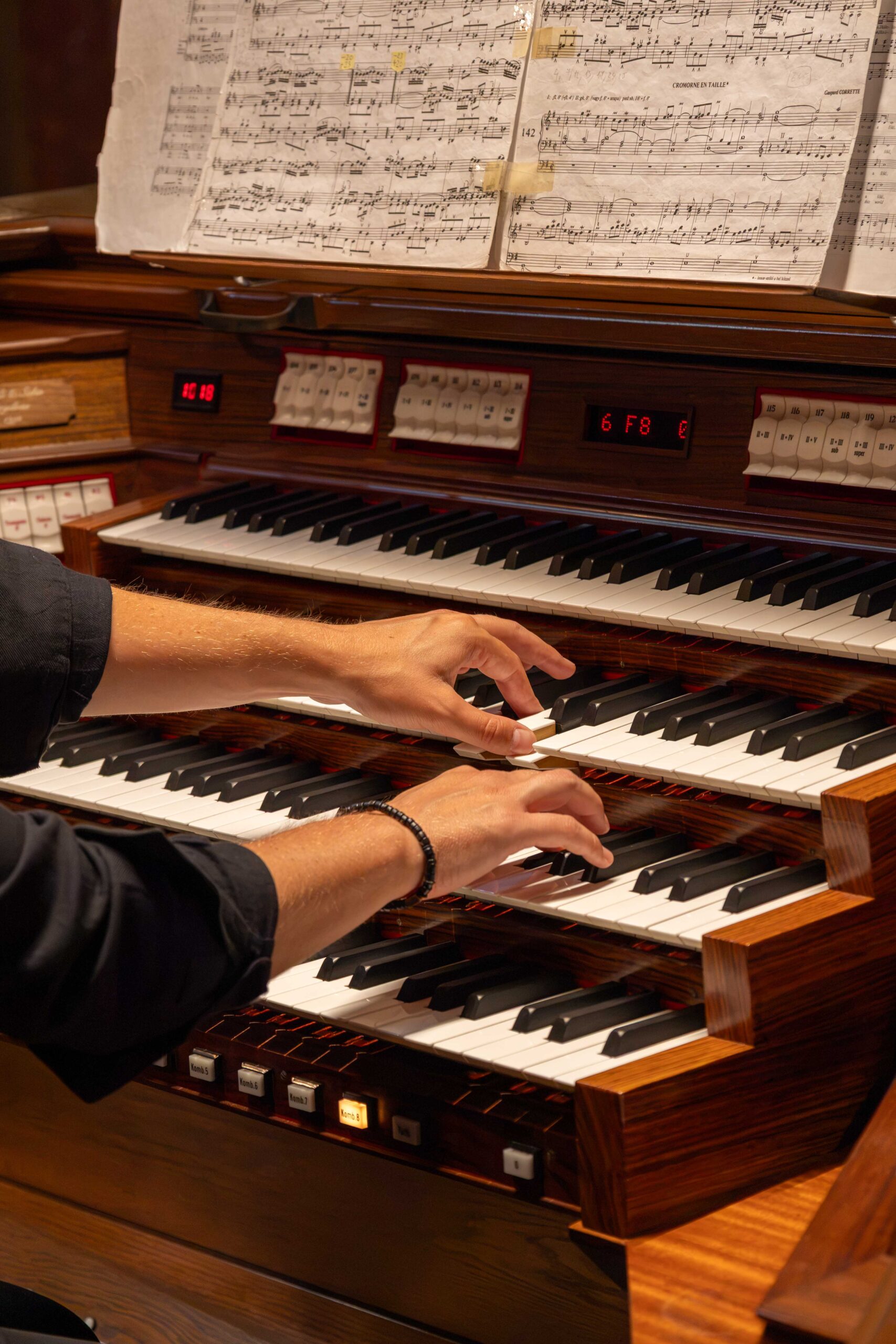
How can a single instrument produce a sound reminiscent of an entire orchestra? At Wednesday’s organ recital, the Angster Grand Organ at St Stephen’s Basilica will take centre stage. From the gallery, right next to the instrument, Gábor Szotyori Nagy or András Gábor Virágh will explain the organ’s structure, how it works and its unique sound, whilst well-known classical pieces are performed.
The programme, which lasts approximately 45 minutes, begins at 10.00 in English and at 11.00 in Hungarian, and is suitable for visitors aged 12 and over. From the main entrance of the Basilica, the organist will escort guests up to the gallery, which is accessible only by stairs. The ticket is valid only for the organ recital; a separate ticket is required to visit the other parts of the Basilica. Tickets can be purchased online and at the Basilica’s ticket office.
find out more
Organ recital at St Stephen’s Basilica
every Wednesday from 11:00
The History of the Grand Organ
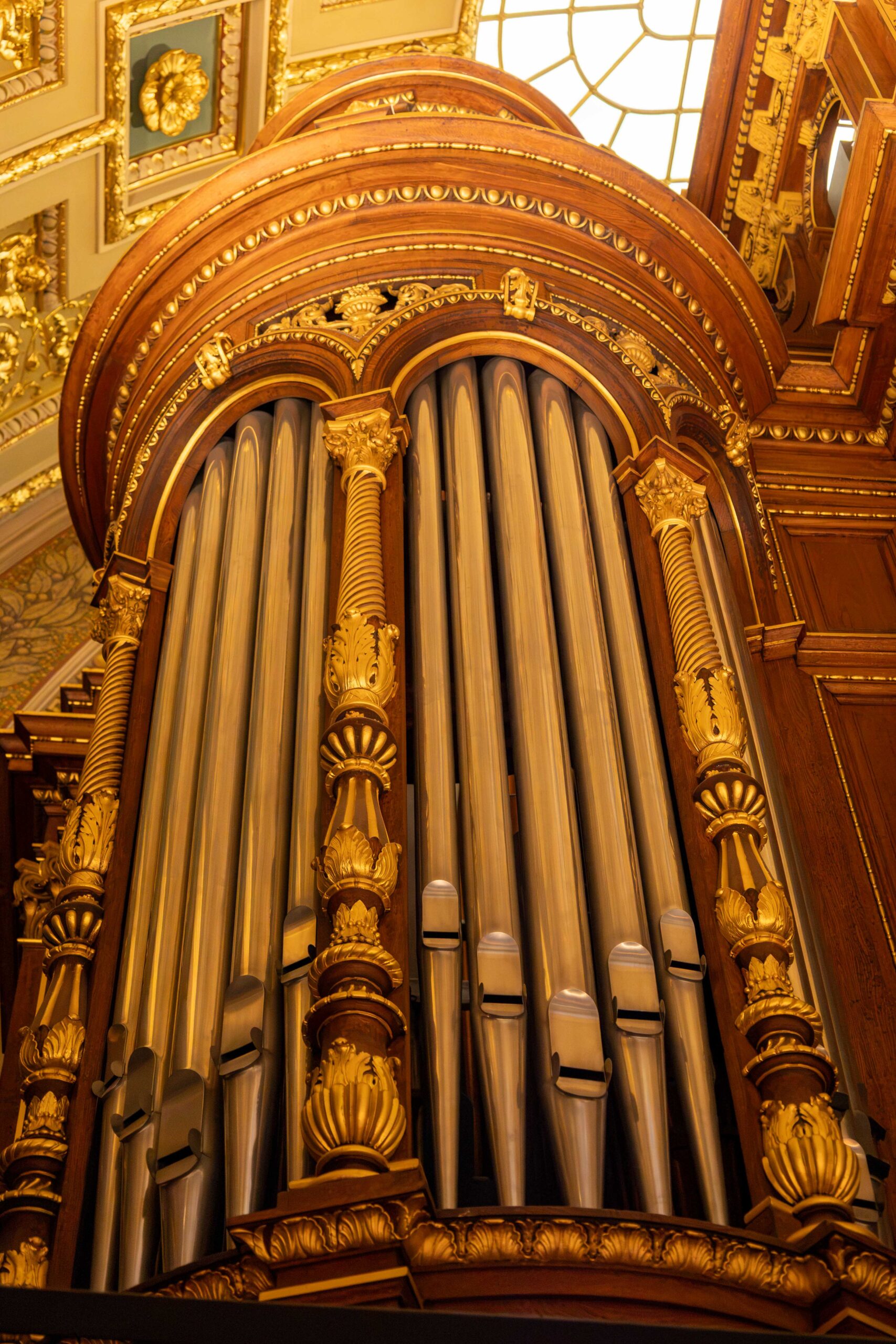
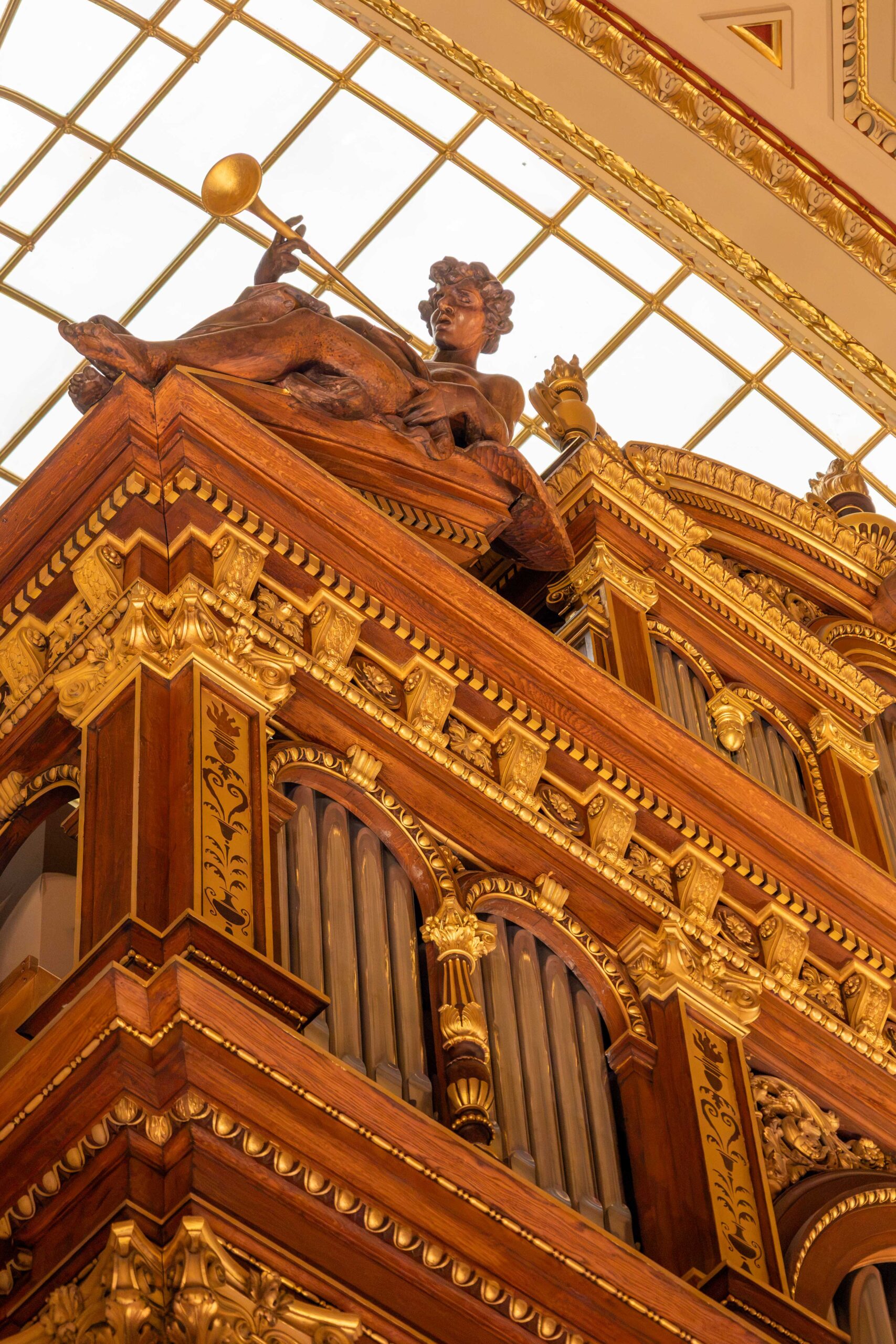
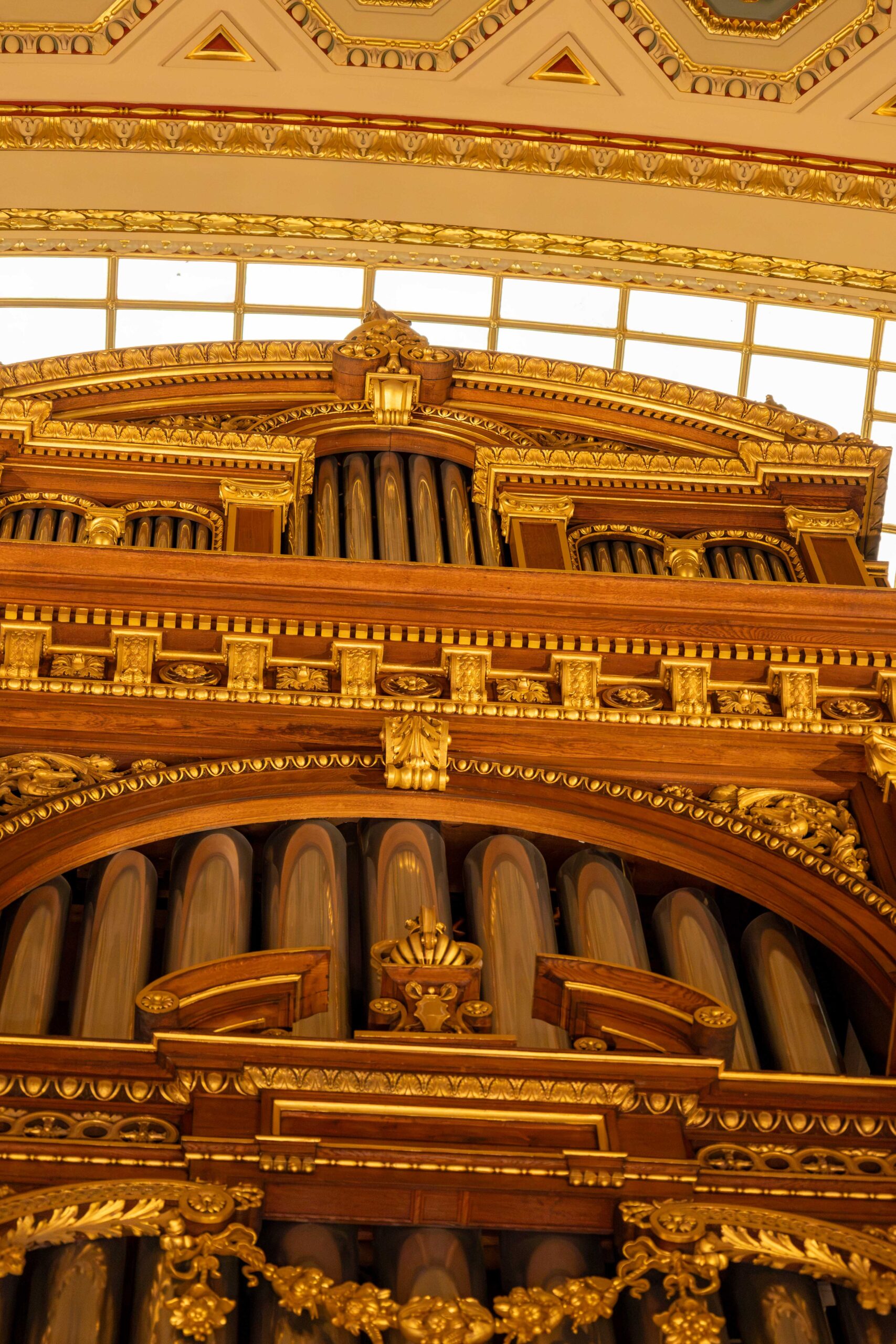
The organ, which originally had three manuals, 65 stops and a pneumatic stop action, was built in 1905 by the Angster and Sons organ-building workshop in Pécs. The organ case was made at the workshop of the furniture maker Endre Thék, based on designs by József Kauser. In 1932, the Angster company expanded the instrument with a fourth manual, bringing the total number of stops to 76, and replaced the pneumatic control system with an electric one.
In 1937, the Rieger Otto organ factory rebuilt the instrument’s wind system; then, in 1948, they were forced to repair the organ because the stained-glass window above it had been damaged during the war, causing water to seep into the instrument. Between 1992 and 2004, the Váradi and Son organ-building firm expanded the organ to 93 stops and fitted it with a computer-controlled, movable console.
During the most recent comprehensive restoration, carried out by Süveges Orgonaépítő Kft. between 2023 and 2025, the instrument was expanded to 97 stops, and the individual stylistic features resulting from the previous long periods of construction were harmonised in terms of both intonation and sound.
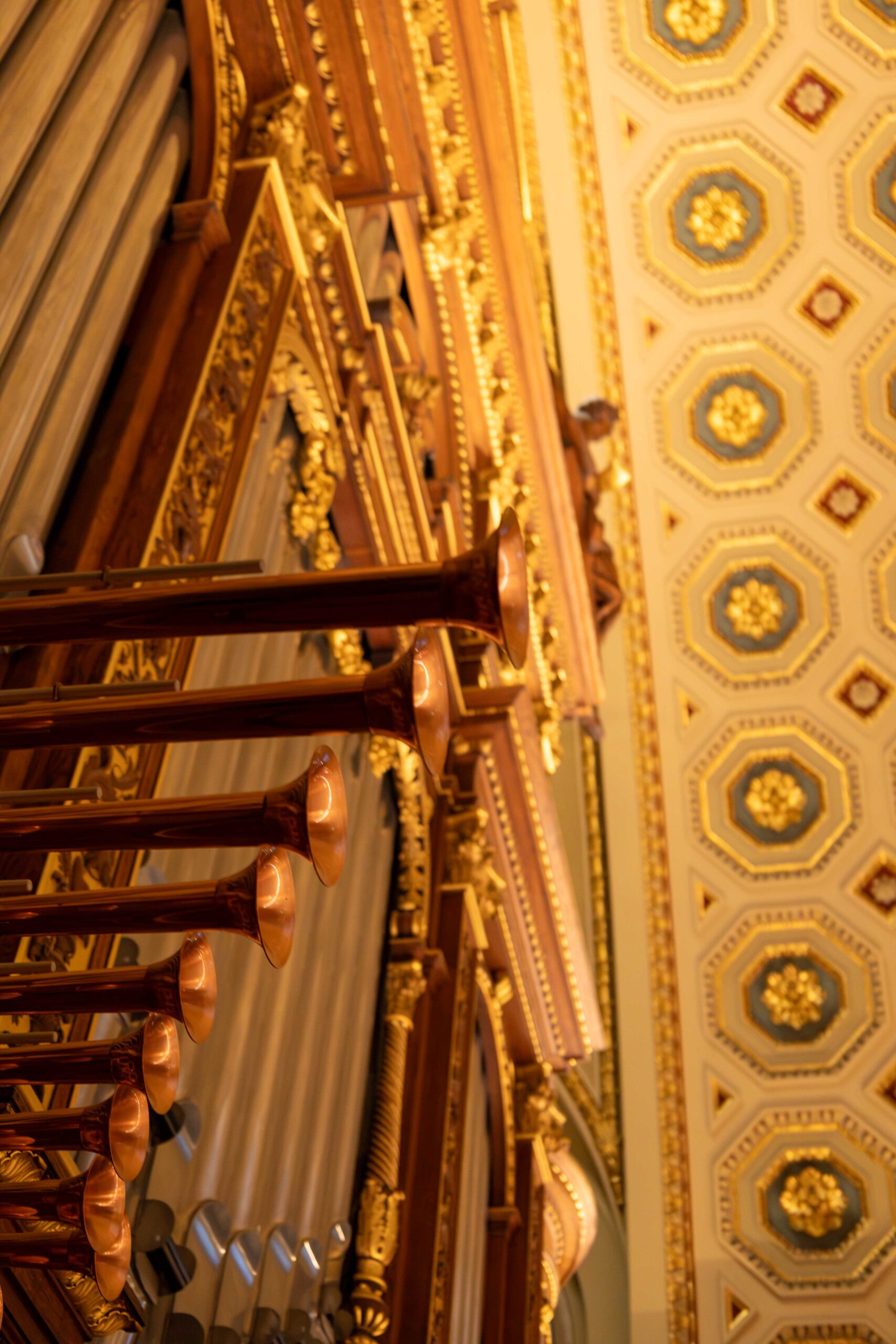
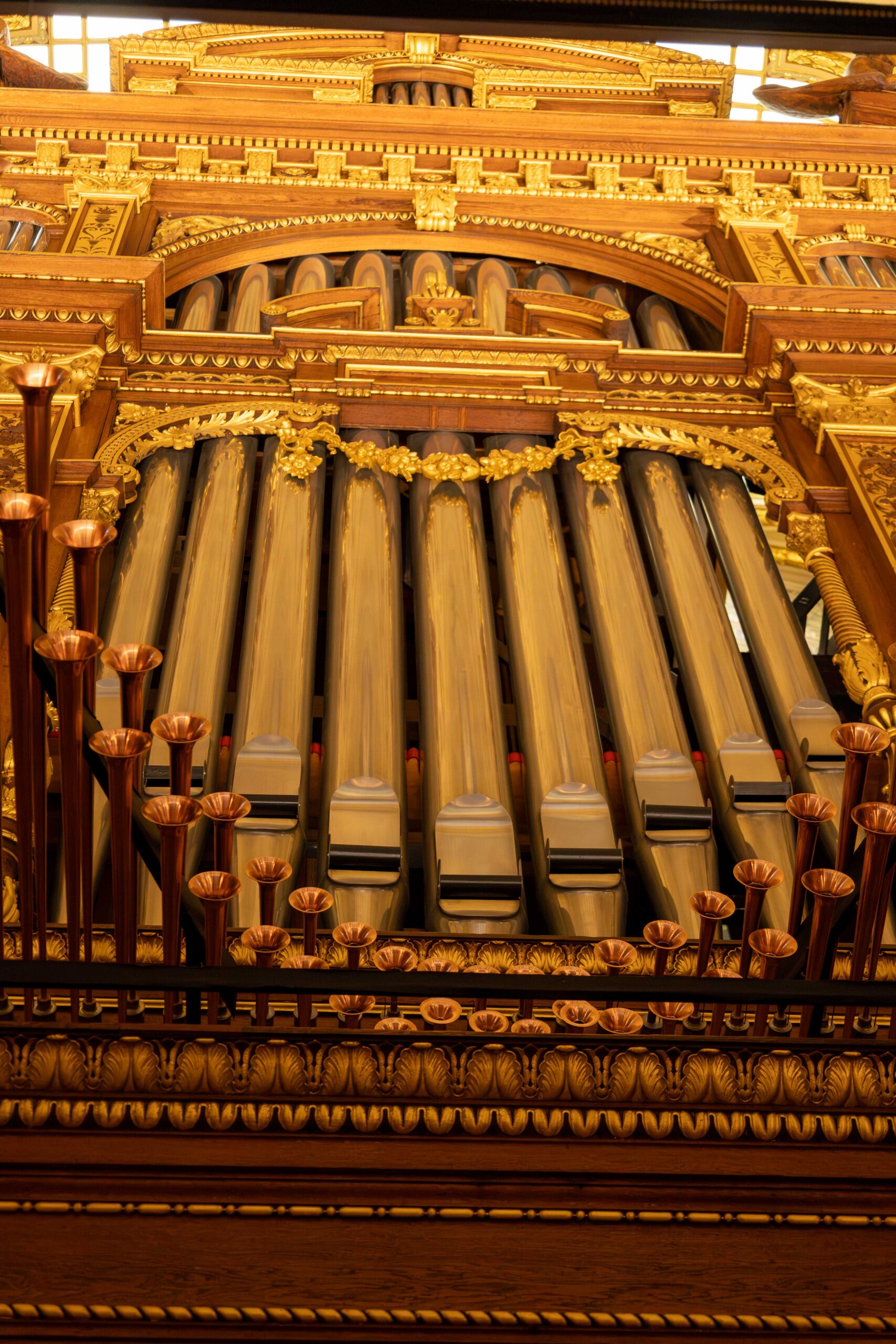
The organ currently has 6,389 pipes, the longest of which is 12 metres long, whilst the shortest is just 6 millimetres long. The instrument is powered by three blower motors, which force 180 cubic metres of air through the pipes every minute.